Rhema Institute for Development(RHID)

Loading

Newsletters and Posts

Bridging Savings and Sustainability: How Rhema Institute is Transforming Grassroots Economies in Dowa District
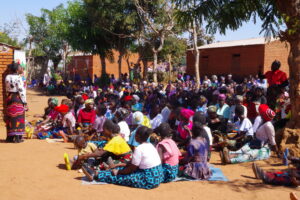
In the face of rising economic pressures and skyrocketing agricultural input costs, rural communities are finding innovative ways to achieve self-reliance. On Wednesday, June 10, 2026, Rhema Institute for Development took a significant step forward in this mission, hosting a massive community engagement session focused on financial literacy, business mentorship, and climate-smart agriculture at Sendeza Village, Mtengowanthenga, in Dowa District.

The targeted awareness session brought together over 500 beneficiaries representing 44 local clubs, all eager to learn how to strengthen their Village Savings and Loan Associations (VSLAs) and integrate sustainable farming practices into their household economies.

For many rural households, VSLAs serve as the primary gateway to financial inclusion. However, saving money is only the first step toward economic mobility. To truly break the cycle of poverty, these savings must be backed by sound business strategies.

Speaking during the engagement, Rhema Institute Project Officer Victoria Mbewe emphasized that financial literacy is the true cornerstone of resource mobilization and grassroots economic empowerment.

“Financial literacy is the ultimate tool for self-reliance,” Mbewe shared with the gathering. “But saving money is only half the battle; our members must also know how to grow it through structured, disciplined business ventures.”

Mbewe urged participants to approach entrepreneurship with strict financial discipline and a proactive mindset. Crucially, she highlighted the necessity of conducting thorough market surveys before launching any business enterprise—a practice that ensures beneficiaries invest in viable markets and safeguard their household incomes against avoidable losses.

For Rhema Institute for Development, the integration of business mentorship and marketing linkages into traditional VSLA models represents a strategic paradigm shift.

Historically, grassroots savings groups have excelled at helping members accumulate small pools of capital. However, without a clear roadmap for investment or direct access to profitable markets, these funds often stall. By deliberately embedding business mentorship into the program, Rhema Institute provides entrepreneurs with the critical acumen needed to manage risks and optimize profits.

Furthermore, establishing marketing linkages bridges the gap between rural producers and competitive buyers. This holistic approach ensures that local initiatives do not operate in a vacuum. Instead, it transitions communities from basic economic survival to sustainable, long-term wealth creation, transforming grassroots savings into vibrant, self-sustaining local economies.

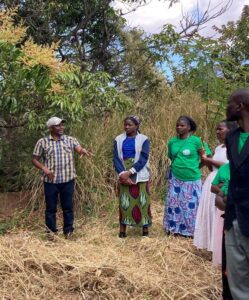
The economic challenges facing Dowa’s farmers extend beyond capital; the escalating cost of commercial farming inputs threatens food security across the region. Addressing this crisis head-on, Limbani Chiusiwa, one of Rhema Institute’s dedicated Village Agents, introduced a powerful, low-cost solution: producing highly effective bio-fertilizer using human urine.

Chiusiwa demonstrated practical methods for preparing and safely applying this organic alternative, showing farmers how they can dramatically boost their field crop yields without relying on expensive commercial brands.

“With skyrocketing commercial fertilizer prices threatening farming impacts in the district, we must look inward,” Chiusiwa reminded the community. “Utilizing locally available resources allows our farmers to cut costs, maximize yields, and safeguard their food security.”

The deep, structural transformation witnessed across these 44 clubs would not be possible without the unwavering commitment of Rhema Institute’s donor partners. Their generous financial and technical backing provides the fuel for these grassroots interventions, turning ambitious developmental concepts into practical, life-changing realities on the ground.

By investing directly in financial capacity building and climate-smart innovations, these partners are helping Rhema Institute move away from short-term relief toward sustainable, measurable growth. This collective generosity is actively creating a massive, positive ripple effect in Lilongwe and Dowa District with one household, one village, and one savings group at a time.

By combining financial discipline with adaptive, climate-smart agricultural techniques, the over 500 beneficiaries in attendance left the session equipped with both the knowledge and the practical tools needed to build resilient households.

Through these deeply integrated interventions, and with the vital support of its global and local partners, Rhema Institute for Development continues to demonstrate that when rural communities are provided with the right mentorship, innovative tools, and market connections, true sustainable development is born from within.
Rhema Institute Empowers Village Agents with Financial Literacy Training

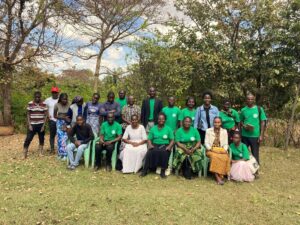
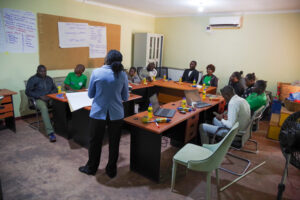
On Friday, May, 22, 2026, Rhema Institute for Development conducted a capacity-building staff training session focused on financial literacy for Village Agents. The targeted training brought together 11 Village Agents who supervise operations across Mtengowanthenga, Katchakwala, Chinyama, Chivala, Kasangu, Chiponde, Dowa Turnoff, and Mchepa.

The training was coordinated by Project Officer Victoria Mbewe, who emphasized that financial literacy is a cornerstone of resource mobilization and grassroots economic empowerment.

Addressing the participants, Mbewe urged the Village Agents to proactively advocate for strong entrepreneurship skills within their communities. She noted a common market saturation challenge within Village Savings and Loan Associations (VSLAs):

“We often see a trend where multiple members take out loans and immediately start identical businesses as their neighbors—such as everyone selling tomatoes. This oversaturation drives prices down, erodes profit margins, and ultimately leaves members struggling to repay their loans. Financial literacy helps them diversify and spot viable, unique market gaps.”

Complementing this technical guidance, Rhema’s Field Officer, Tellina Kabango, reminded the agents of the high ethical standards required in their roles. She emphasized that Village Agents must lead by example, practicing sound financial and personal principles within their own households to inspire trust and emulation among community members.

Furthermore, the agents were urged to closely monitor and support members who have successfully grown their enterprises after receiving their annual VSLA share-outs.

During a dynamic breakout session, participants split into three working groups to map out viable Small and Medium Enterprises (SMEs) tailored to the specific economic landscapes of their respective areas. This comprehensive approach directly aligns with the organization’s core thematic focus on fostering economic recovery through community banking and microfinance initiatives.

Stitching Dignity into the Future: A Story of Empowerment in Ntchenenje Village

At Rhema Institute for Development, we believe that true community resilience is built on the foundation of health, education, and economic independence. In Ntchenenje Village, we witnessed a powerful intersection of these pillars through a targeted menstrual health and hygiene intervention.

For many adolescent girls in rural communities, menstruation often marks a period of vulnerability rather than a natural milestone. A lack of access to affordable sanitary products frequently leads to school absenteeism, a loss of confidence, and heightened health risks. In Ntchenenje, we recognized that to keep girls in the classroom and empower them in their daily lives, we needed a solution that was sustainable, local, and dignified.

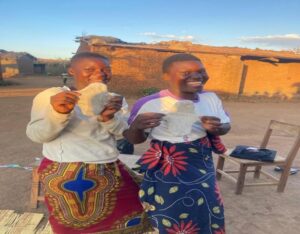
Under the expert guidance of our officers, eight young girls gathered for a hands-on training session. This workshop went far beyond basic sewing; it was a comprehensive masterclass in menstrual health management.

Equipped with high-quality fabrics and essential materials, the participants were guided through a three-stage process:

Design & Engineering: Understanding the structural requirements for a reliable, leak-proof reusable pad.

Technical Execution: Learning the precision skills of cutting and sewing to create durable products.

Hygiene Literacy: Engaging in vital discussions about sanitation, personal health, and the proper care of reusable materials.

By the end of the day, every participant had successfully crafted her own sanitary pad—a tangible symbol of her new autonomy and practical skill set.

This training is a cornerstone of our broader community development strategy. When we empower a young girl with menstrual health solutions, we trigger a positive chain reaction across the entire social fabric:

By providing sustainable management tools, we ensure that girls no longer have to skip classes, protecting their right to an uninterrupted education. This initiative complements our Village Savings and Loans Associations (VSLAs). As households gain financial security and access to credit for small businesses, the burden of purchasing expensive disposables is removed, further stabilizing family finances.

Our Mother Group initiatives work in tandem with these trainings, reinforcing healthy practices at home and reducing malnutrition risks, creating a safer environment for every child.

The success in Ntchenenje Village is a testament to what happens when communities are given the tools to solve their own challenges. These eight girls are now more than just participants; they are peer educators and leaders within their village.

Through these collective interventions—from menstrual hygiene to financial literacy—we are reducing vulnerability and fostering a culture of inclusive growth. At Rhema Institute, we don’t just provide aid; we build the skills that ensure resilience for generations to come.

Beyond Bricks and Mortar: Transforming the Educational Landscape at Start Smart Academy

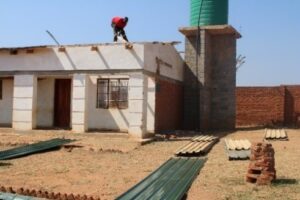
For any community to thrive, its children must have access to an environment that respects their potential. At Start Smart Academy, the growing student population began to outpace the existing infrastructure, leading to the challenge of overcrowding. Recognizing that a cramped environment can hinder both a child’s ability to focus and a teacher’s ability to inspire, Rhema Institute for Development prioritized the construction of a new, modern school block.

We are proud to report that the structure has transitioned from a blueprint to a nearly functional reality. The recent phase of construction saw the successful completion of several critical components:

Weatherproofing & Protection: The full installation of the roofing system and windows, ensuring the interior is protected from the elements. Security & Accessibility: The mounting of all doors and the completion of partial plastering, giving the building its form and security. Modern Infrastructure: The completion of electrical wiring, laying the groundwork for a classroom equipped for 21st-century learning.

While the “skeleton” of the project is complete, the final phase—comprising plumbing, specialized flooring, and the installation of high-quality furnishings—is scheduled for this quarter of 2026.

Even in its current state, the new block has already begun to reshape the academy’s atmosphere. The transformation of this facility is expected to yield three primary outcomes:

Student Retention and Wellbeing: A safe and comfortable classroom is a powerful incentive for attendance. By providing a space that is cool, bright, and spacious, we expect to see a significant rise in student retention rates. When children feel valued by their environment, they are more likely to commit to their studies.

Empowering Educators: Teacher morale is a cornerstone of quality education. This new block provides our educators with an organized, modern workspace that reduces the stress of managing overcrowded classes, allowing them to focus on what they do best: teaching.

Community Reputation & Growth: The visible progress of Start Smart Academy serves as a testament to the community’s growth. It reassures parents that their children are receiving an education in a facility that meets modern standards, thereby strengthening the bond between the school and the families it serves.

Our focus remains on the “finishing touches” that turn a building into a home for learning. The upcoming flooring and furnishing phases are designed with durability and ergonomics in mind, ensuring that the facility serves the community for generations to come.

At Rhema Institute, we believe that when we build a school, we are building the future. We thank our partners and the community for their continued support.


Breaking New Ground: How Rhema Institute is Cultivating a Farming Revolution in Dowa

In a nation where 22% of the population still faces acute food insecurity, a quiet revolution is taking root in the fertile soils of the Central Region. On August 19, 2025, the Rhema Institute for Development (RHID)—a veteran NGO with two decades of service in poverty reduction—orchestrated a pivotal educational field day that could redefine the agricultural future of dozens of Malawian villages.

A delegation of 14, comprising 12 village agents and two project officers, descended upon the legendary Tikondwe Freedom Farm in Dowa. Their mission? To unlearn decades of dependency on expensive, synthetic inputs and embrace the “waste-to-wealth” philosophy of agroecology.

The village agents in attendance are more than just farmers; they are the strategic “role models” of the RHID mission. Handpicked from their communities, these leaders are tasked with a heavy burden: proving that productivity can rise while costs fall.

The day’s curriculum at Tikondwe—a 12-hectare model of sustainability founded by the late Dr. Glyvyns Chinkhuntha—focused on the radical idea that everything needed for a bountiful harvest already exists within the farmer’s reach.

The training opened not with a lecture, but with a philosophy. Representatives from Rhema Institute and the Tikondwe training team emphasized that conventional farming often acts as a “withdrawal” from the land, whereas permaculture is a “long-term investment.”

Under the guidance of Daniel Chinkhuntha, who continues his father’s legacy of “Farming in God’s Way,” the village agents were thrust into the practical realities of regenerative agriculture.

“The aim was to inspire a fundamental change in their approach,” an RHID officer noted. “We are moving away from the high costs that cripple smallholders and toward systems that harmonize with the environment.”

The most captivating segments of the day challenged long-standing cultural taboos. While most farmers discard organic debris, the agents were shown how to gather fallen leaves to create nutrient-dense compost.

Even more transformative was the session on urine-based manure. Participants learned to process both animal and human urine into a potent, nitrogen-rich liquid fertilizer—a technology that studies show contains up to 88% of the total nitrogen found in human waste, providing a zero-cost alternative to synthetic urea.

As erratic weather patterns continue to disrupt traditional farming calendars across Malawi, water management took center stage. The agents engaged in building:

Water Harvesting Systems: Designed to trap and store moisture for the increasingly frequent dry spells. Contour Ridges: Strategic soil engineering that prevents topsoil erosion while recharging underground aquifers.

The success of this visit is measured not in the hours spent in Dowa, but in the lessons carried back to the villages. These 12 agents have now returned to their communities as certified “catalysts for change.”

By bridging the gap between innovative research and rural practice, Rhema Institute for Development and Tikondwe Freedom Farm are doing more than just planting crops—they are planting the seeds of food sovereignty. As these lead farmers begin to train their neighbors, the “Green Ripple” of Dowa promises to turn the tide against food insecurity, one organic ridge at a time.

#SustainableMalawi #Agroecology #FoodSecurity #RhemaInstitute #TikondweFreedomFarm #Permaculture #LeadFarmers #MalawiAgriculture

The Green Ripple: How 14 Leaders are Reimagining Malawian Farming

In the heart of Dowa, the landscape of traditional agriculture begin to shift. In August, 2025, a delegation from the Rhema Institute for Development visited Tikondwe Freedom Farm, not just as visitors, but as students of a sustainable revolution.

The group, comprised of 12 village agents and two coordinating officers, embarked on an intensive educational exchange designed to dismantle old habits and replace them with the resilient principles of agroecology and permaculture. These agents, who serve as the primary lead farmers and “beacons of progress” in their home communities, were selected to lead a change that is as much about mindset as it is about soil.

Redefining the “Common Sense” of Farming

The day began in a spirit of reflection. Following an opening prayer and welcoming remarks, the focus shifted to the core philosophy of the land. According to representatives from the Rhema Institute, the primary objective was clear: to move beyond the high-cost, chemical-dependent methods that have long dominated rural farming.

The lead trainer at Tikondwe provided a comprehensive overview of permaculture, defining it as a system that works with nature rather than against it. “Conventional farming often treats the soil as a bank account we only withdraw from,” the trainer emphasized during the session, noting that agroecology is the “investment strategy” needed to ensure the bank never runs dry.

The “Gold” in the Waste

Transitioning from theory to the dirt, the participants were immersed in practical demonstrations that turned the concept of “waste” on its head. The curriculum at Tikondwe specializes in practices that are both environmentally restorative and financially accessible for the smallholder farmer.

Participants were shown how to:

  • Capture the Sky: Developing water harvesting systems designed to sustain crops through the unpredictable dry spells that often devastate local harvests.
  • Compost the Forest: Learning the art of gathering leaf litter to create rich, organic manure.
  • The Science of Urine: In one of the more revolutionary segments, the trainer demonstrated how to harness both animal and human urine to create potent, nitrogen-rich manure—a low-to-zero-cost alternative to synthetic fertilizers.

Building Resilience into the Soil

The training concluded with a masterclass in physical land management. Officers and agents worked side-by-side to learn the construction of specialized ridges. As noted during the demonstration, these ridges serve a dual purpose: they act as sponges to retain vital moisture while simultaneously acting as shields, protecting the precious topsoil from the ravages of erosion.

A Future Rooted in Knowledge

The impact of this trip is expected to ripple far beyond the borders of Dowa. By equipping these 12 village agents with high-level permaculture skills, Rhema Institute for Development created a “train-the-trainer” ecosystem.

As the group departed Tikondwe Freedom Farm, the sentiment among the officers was one of renewed mission. These agents return to their villages not just as farmers, but as educators and innovators, ready to transform their communities—one ridge and one organic compost pile at a time.

#RhemaInstitute #TikondweFreedomFarm #SustainableMalawi #AgroecologyInAction #PermacultureAfrica #RegenerativeAgriculture #SoilHealth #WaterHarvesting #OrganicManure #LeadFarmers #ClimateResilience #ZeroWasteFarming #SmallholderSuccess

Empowering the Heart of the Home: Transforming Child Nutrition in Ntchenenje Village

Women preparing flour for nutritious porridge to support children’s growth, health, and development

In the quiet village of Ntchenenje, a quiet revolution is taking place—one centered not on high-tech machinery, but on the simple, life-sustaining power of a bowl of porridge.

In July, 2025, Rhema Institute for Development launched a critical nutrition training initiative. The goal was to bridge the gap between local agricultural resources and household health. By the end of the day, eleven women had not only gained a recipe but had also claimed a new role as the primary architects of their community’s health.

The Hidden Challenge of Early Childhood Nutrition

For families living in rural areas, the first five years of a child’s life are the most formative. During this window, proper nutrition is the difference between a child reaching their full potential or facing the lifelong hurdles of stunting and malnutrition.

However, many households face a dual challenge: the rising cost of commercial “health foods” and a lack of practical information on how to balance diet using what they already grow. Rhema Institute recognized that the solution wasn’t in imported supplements, but in empowering local women with indigenous knowledge and accessible ingredients.

From Field to Bowl: The Science of “Super-Porridge”

The training session was designed to be deeply practical. Moving away from traditional lectures, the eleven participants gathered for a hands-on demonstration. Together, they prepared a high-nutrient porridge formulated from five accessible pillars:

  • Maize & Soybean: Providing the essential carbohydrates for energy and high-quality protein for growth.
  • Oil: Adding much-needed caloric density to support brain development.
  • Sugar & Salt: Carefully balanced to provide minerals and palatability.

The “Interactive Kitchen” format allowed the women to discuss the nutritional value of each ingredient. They explored how soybean—often a cash crop—could be better utilized at home to fortify their children’s diets, turning a staple crop into a life-saving resource.

Real Impact: Saving Lives While Saving Income

The impact of this training is two-fold: biological and economic. By mastering the preparation of affordable, nutritious meals, these mothers are now equipped to improve the growth and well-being of their children under five without relying on expensive, store-bought alternatives.

One participant reflected on the newfound independence the training provided:

“We used to think that ‘good’ nutrition was something you had to buy from a shop. Now we know we can make nutritious porridge at home for our children. We are saving money while ensuring they grow up healthy and strong.”

Strengthening Household Food Security

This session in Ntchenenje Village is a microcosm of Rhema Institute’s broader mission. By focusing on the “Under-Five” demographic, the program addresses food security at its most vulnerable point. When mothers are empowered with knowledge, the benefits ripple outward—healthier children lead to more resilient households, which eventually leads to a more vibrant, productive community.

As these eleven women returned to their daily lives, they carried with them more than just recipes; they took the tools for sustainable change.

Rhema Institute for Development remains committed to monitoring the progress in Ntchenenje, ensuring that the seeds of knowledge planted this July grow into a future where no child is left behind due to malnutrition.

Sowing Seeds of Resilience: How Ntchenenje’s Lead Farmers are Greening the Future


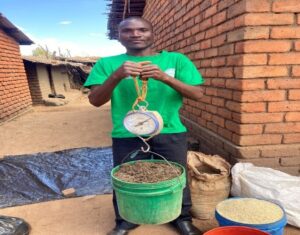
a farmer weighing materials for manure preparation, a step towards improving soil fertility and boosting crop yields

In the face of a changing climate and rising costs of chemical fertilizers, farmers of Ntchenenje Village in Dowa, Malawi are turning back to the earth—armed with new science and ancient wisdom.

On July 30, 2025, Rhema Institute for Development hosted a transformative Lead Farmer training session. The goal was more than just teaching new techniques; it was about cultivating a movement of agricultural leaders capable of revitalizing their soil and their local economy simultaneously.

The Shift to Agroecology: Why It Matters Now

Traditional farming in many regions has become a cycle of high costs and depleting yields. Agroecology offers a different path. By focusing on the relationship between plants, soil, and the environment, farmers can increase productivity without the heavy financial burden of synthetic inputs.

For the fifteen participants—an inspiring group composed of fourteen women and one man—this training represented a shift toward independence. By learning to work with nature rather than against it, they are securing a future where their land remains fertile for generations to come.

A Classroom Without Walls: The Tikondwe Freedom Farm Experience

The training went beyond the theoretical, taking participants on a field visit to the renowned Tikondwe Freedom Farm. Often described as a “living laboratory,” Tikondwe provided a powerful visual of what success looks like.

Participants observed first-hand the impact of:

  • Organic Manure Production: Turning waste into “black gold” to naturally enrich the soil.
  • Soil Conservation Methods: Techniques designed to retain moisture and prevent the erosion that often plagues rural hillsides.
  • Sustainable Crop Management: Strategic planting that naturally manages pests and maximizes yield per acre.

Seeing these methods in action at Tikondwe wasn’t just educational; it was motivational. “Seeing is believing,” noted one participant. “We saw that we don’t need expensive chemicals to have a lush, productive garden. We have the tools right here in our village.”

Empowering Women as Agricultural Leaders

A standout feature of this initiative is the overwhelming participation of women. In Ntchenenje, women are the backbone of the household, yet they often lack access to formal agricultural training.

By targeting women as Lead Farmers, the Rhema Institute is ensuring that knowledge stays in the heart of the community. The participants reported a significant boost in confidence, eager to apply these techniques to improve their household food security and generate much-needed surplus income.

The Ripple Effect: Strengthening Local Networks

The training didn’t end when the sun went down. These fifteen participants are now “Lead Farmers,” tasked with a vital mission: peer-to-peer learning. By sharing their new skills with neighbors, they are creating a resilient agricultural network. This community-led approach ensures that sustainable practices aren’t just a one-time event, but a long-term cultural shift in how Ntchenenje feeds itself.

At Rhema Institute for Development, we believe that true empowerment comes from self-reliance. By equipping Ntchenenje’s farmers with agroecological skills, we aren’t just helping them grow crops—we are helping them grow a more sustainable, food-secure, and prosperous future.
 

Job Opportunities Open At RHID

📢 Re-Advertisement: Join Our Team for Development 📢

Rhema Institute for Development invites qualified and passionate individuals to apply for the following key positions:

  • Monitoring and Evaluation Officer
  • Project Officers
  • Administrative and Human Resource Officer
  • Internal Auditor
  • Community Development Officer

👉 Note: Applicants who have already submitted their applications do not need to re-apply.

📧 Submit your application via email to:

rhemainstituted@yahoo.com

or

innocentsemu77@rhemamw.org

⏳ Application Deadline: Friday, March 20, 2026.

Together, let’s build a future of impact and transformation.

Gloria’s Journey of Self Empowerment With VSLA

Gloria’s Journey of Empowerment

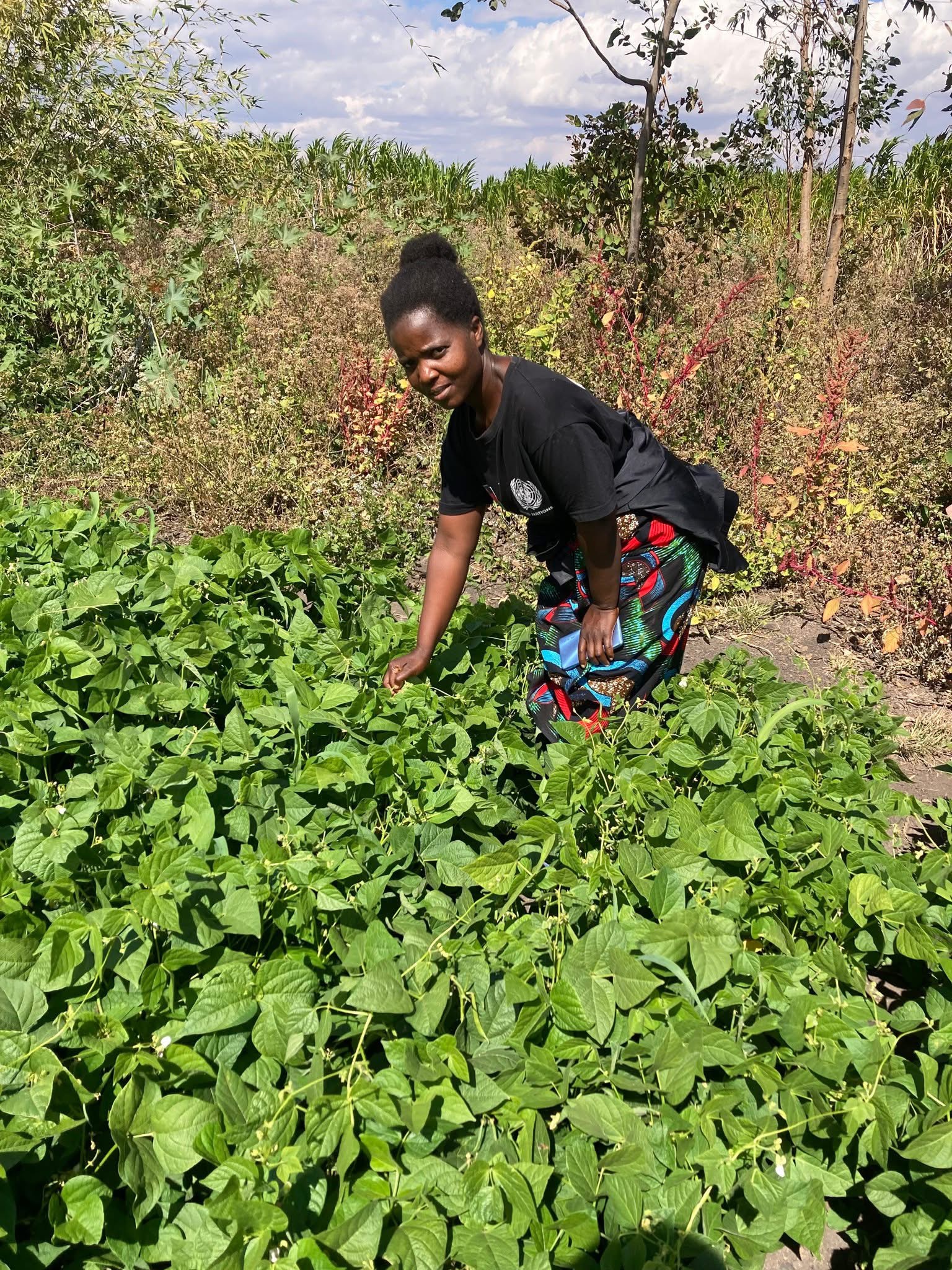
In Dowa District, Gloria, a devoted mother of four from Chipwenkha village, has become a shining example of resilience and determination. With five family members depending on her for food and shelter, she sought a way to secure her household’s future through farming. Her decision to grow beans was not only practical but also visionary, laying the foundation for sustainable income.

To make this dream possible, Gloria turned to her Village Savings and Loan Association (VSLA). She borrowed K150,000, which she used to purchase 16 kilograms of beans at K4,000 per kg and hire labor to prepare her land. Recognizing the importance of crop protection, she further invested K10,000 in pesticides, ensuring her beans would thrive under the best care.

Her careful planning is now bearing fruit. Gloria looks forward to selling her beans at K6,500 per kg after harvest. This will generate substantial income, enabling her to repay her VSLA loan while providing food, shelter, and stability for her family. Her journey demonstrates how access to financial resources can transform lives in rural communities.

Beyond personal success, Gloria’s story reflects the broader impact of women’s empowerment through VSLAs. These associations are equipping women with the tools to invest, grow, and lead. By supporting one another, women in Dowa District are building stronger households and contributing to community development.

At Rhema Institute for Development, we celebrate Gloria’s courage and foresight. Her success is a testament to the transformative power of women-led initiatives, financial inclusion, and community solidarity. Gloria’s journey inspires others to believe that with determination and support, women can rise above challenges and create lasting change.
#womenEmpowerment #VSLA #RhemaDevelopment #DowaDistrict #CommunityImpact #FinancialInclusion #ResilientWomen #TransformingLives