
Stitching Dignity into the Future: A Story of Empowerment in Ntchenenje Village
At Rhema Institute for Development, we believe that true community resilience is built on the foundation of health, education, and economic independence. In Ntchenenje Village, we witnessed a powerful intersection of these pillars through a targeted menstrual health and hygiene intervention.
For many adolescent girls in rural communities, menstruation often marks a period of vulnerability rather than a natural milestone. A lack of access to affordable sanitary products frequently leads to school absenteeism, a loss of confidence, and heightened health risks. In Ntchenenje, we recognized that to keep girls in the classroom and empower them in their daily lives, we needed a solution that was sustainable, local, and dignified.
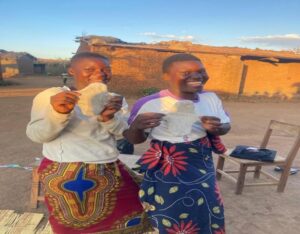
Under the expert guidance of our officers, eight young girls gathered for a hands-on training session. This workshop went far beyond basic sewing; it was a comprehensive masterclass in menstrual health management.
Equipped with high-quality fabrics and essential materials, the participants were guided through a three-stage process:
Design & Engineering: Understanding the structural requirements for a reliable, leak-proof reusable pad.
Technical Execution: Learning the precision skills of cutting and sewing to create durable products.
Hygiene Literacy: Engaging in vital discussions about sanitation, personal health, and the proper care of reusable materials.
By the end of the day, every participant had successfully crafted her own sanitary pad—a tangible symbol of her new autonomy and practical skill set.
This training is a cornerstone of our broader community development strategy. When we empower a young girl with menstrual health solutions, we trigger a positive chain reaction across the entire social fabric:
By providing sustainable management tools, we ensure that girls no longer have to skip classes, protecting their right to an uninterrupted education. This initiative complements our Village Savings and Loans Associations (VSLAs). As households gain financial security and access to credit for small businesses, the burden of purchasing expensive disposables is removed, further stabilizing family finances.
Our Mother Group initiatives work in tandem with these trainings, reinforcing healthy practices at home and reducing malnutrition risks, creating a safer environment for every child.
The success in Ntchenenje Village is a testament to what happens when communities are given the tools to solve their own challenges. These eight girls are now more than just participants; they are peer educators and leaders within their village.
Through these collective interventions—from menstrual hygiene to financial literacy—we are reducing vulnerability and fostering a culture of inclusive growth. At Rhema Institute, we don’t just provide aid; we build the skills that ensure resilience for generations to come.