

Sowing Seeds of Resilience: How Ntchenenje’s Lead Farmers are Greening the Future
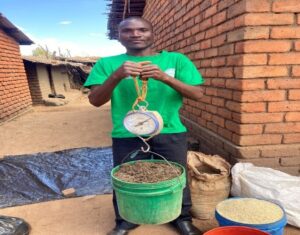
In the face of a changing climate and rising costs of chemical fertilizers, farmers of Ntchenenje Village in Dowa, Malawi are turning back to the earth—armed with new science and ancient wisdom.
On July 30, 2025, Rhema Institute for Development hosted a transformative Lead Farmer training session. The goal was more than just teaching new techniques; it was about cultivating a movement of agricultural leaders capable of revitalizing their soil and their local economy simultaneously.
The Shift to Agroecology: Why It Matters Now
Traditional farming in many regions has become a cycle of high costs and depleting yields. Agroecology offers a different path. By focusing on the relationship between plants, soil, and the environment, farmers can increase productivity without the heavy financial burden of synthetic inputs.
For the fifteen participants—an inspiring group composed of fourteen women and one man—this training represented a shift toward independence. By learning to work with nature rather than against it, they are securing a future where their land remains fertile for generations to come.
A Classroom Without Walls: The Tikondwe Freedom Farm Experience
The training went beyond the theoretical, taking participants on a field visit to the renowned Tikondwe Freedom Farm. Often described as a “living laboratory,” Tikondwe provided a powerful visual of what success looks like.
Participants observed first-hand the impact of:
- Organic Manure Production: Turning waste into “black gold” to naturally enrich the soil.
- Soil Conservation Methods: Techniques designed to retain moisture and prevent the erosion that often plagues rural hillsides.
- Sustainable Crop Management: Strategic planting that naturally manages pests and maximizes yield per acre.
Seeing these methods in action at Tikondwe wasn’t just educational; it was motivational. “Seeing is believing,” noted one participant. “We saw that we don’t need expensive chemicals to have a lush, productive garden. We have the tools right here in our village.”
Empowering Women as Agricultural Leaders
A standout feature of this initiative is the overwhelming participation of women. In Ntchenenje, women are the backbone of the household, yet they often lack access to formal agricultural training.
By targeting women as Lead Farmers, the Rhema Institute is ensuring that knowledge stays in the heart of the community. The participants reported a significant boost in confidence, eager to apply these techniques to improve their household food security and generate much-needed surplus income.
The Ripple Effect: Strengthening Local Networks
The training didn’t end when the sun went down. These fifteen participants are now “Lead Farmers,” tasked with a vital mission: peer-to-peer learning. By sharing their new skills with neighbors, they are creating a resilient agricultural network. This community-led approach ensures that sustainable practices aren’t just a one-time event, but a long-term cultural shift in how Ntchenenje feeds itself.
At Rhema Institute for Development, we believe that true empowerment comes from self-reliance. By equipping Ntchenenje’s farmers with agroecological skills, we aren’t just helping them grow crops—we are helping them grow a more sustainable, food-secure, and prosperous future.