
Rhema Institute for Development(RHID)

Loading

Archives 2026

Sowing Seeds of Resilience: How Ntchenenje’s Lead Farmers are Greening the Future


a farmer weighing materials for manure preparation, a step towards improving soil fertility and boosting crop yields

In the face of a changing climate and rising costs of chemical fertilizers, farmers of Ntchenenje Village in Dowa, Malawi are turning back to the earth—armed with new science and ancient wisdom.

On July 30, 2025, Rhema Institute for Development hosted a transformative Lead Farmer training session. The goal was more than just teaching new techniques; it was about cultivating a movement of agricultural leaders capable of revitalizing their soil and their local economy simultaneously.

The Shift to Agroecology: Why It Matters Now

Traditional farming in many regions has become a cycle of high costs and depleting yields. Agroecology offers a different path. By focusing on the relationship between plants, soil, and the environment, farmers can increase productivity without the heavy financial burden of synthetic inputs.

For the fifteen participants—an inspiring group composed of fourteen women and one man—this training represented a shift toward independence. By learning to work with nature rather than against it, they are securing a future where their land remains fertile for generations to come.

A Classroom Without Walls: The Tikondwe Freedom Farm Experience

The training went beyond the theoretical, taking participants on a field visit to the renowned Tikondwe Freedom Farm. Often described as a “living laboratory,” Tikondwe provided a powerful visual of what success looks like.

Participants observed first-hand the impact of:

  • Organic Manure Production: Turning waste into “black gold” to naturally enrich the soil.
  • Soil Conservation Methods: Techniques designed to retain moisture and prevent the erosion that often plagues rural hillsides.
  • Sustainable Crop Management: Strategic planting that naturally manages pests and maximizes yield per acre.

Seeing these methods in action at Tikondwe wasn’t just educational; it was motivational. “Seeing is believing,” noted one participant. “We saw that we don’t need expensive chemicals to have a lush, productive garden. We have the tools right here in our village.”

Empowering Women as Agricultural Leaders

A standout feature of this initiative is the overwhelming participation of women. In Ntchenenje, women are the backbone of the household, yet they often lack access to formal agricultural training.

By targeting women as Lead Farmers, the Rhema Institute is ensuring that knowledge stays in the heart of the community. The participants reported a significant boost in confidence, eager to apply these techniques to improve their household food security and generate much-needed surplus income.

The Ripple Effect: Strengthening Local Networks

The training didn’t end when the sun went down. These fifteen participants are now “Lead Farmers,” tasked with a vital mission: peer-to-peer learning. By sharing their new skills with neighbors, they are creating a resilient agricultural network. This community-led approach ensures that sustainable practices aren’t just a one-time event, but a long-term cultural shift in how Ntchenenje feeds itself.

At Rhema Institute for Development, we believe that true empowerment comes from self-reliance. By equipping Ntchenenje’s farmers with agroecological skills, we aren’t just helping them grow crops—we are helping them grow a more sustainable, food-secure, and prosperous future.
 

Job Opportunities Open At RHID

📢 Re-Advertisement: Join Our Team for Development 📢

Rhema Institute for Development invites qualified and passionate individuals to apply for the following key positions:

  • Monitoring and Evaluation Officer
  • Project Officers
  • Administrative and Human Resource Officer
  • Internal Auditor
  • Community Development Officer

👉 Note: Applicants who have already submitted their applications do not need to re-apply.

📧 Submit your application via email to:

rhemainstituted@yahoo.com

or

innocentsemu77@rhemamw.org

⏳ Application Deadline: Friday, March 20, 2026.

Together, let’s build a future of impact and transformation.

Gloria’s Journey of Self Empowerment With VSLA

Gloria’s Journey of Empowerment

In Dowa District, Gloria, a devoted mother of four from Chipwenkha village, has become a shining example of resilience and determination. With five family members depending on her for food and shelter, she sought a way to secure her household’s future through farming. Her decision to grow beans was not only practical but also visionary, laying the foundation for sustainable income.

To make this dream possible, Gloria turned to her Village Savings and Loan Association (VSLA). She borrowed K150,000, which she used to purchase 16 kilograms of beans at K4,000 per kg and hire labor to prepare her land. Recognizing the importance of crop protection, she further invested K10,000 in pesticides, ensuring her beans would thrive under the best care.

Her careful planning is now bearing fruit. Gloria looks forward to selling her beans at K6,500 per kg after harvest. This will generate substantial income, enabling her to repay her VSLA loan while providing food, shelter, and stability for her family. Her journey demonstrates how access to financial resources can transform lives in rural communities.

Beyond personal success, Gloria’s story reflects the broader impact of women’s empowerment through VSLAs. These associations are equipping women with the tools to invest, grow, and lead. By supporting one another, women in Dowa District are building stronger households and contributing to community development.

At Rhema Institute for Development, we celebrate Gloria’s courage and foresight. Her success is a testament to the transformative power of women-led initiatives, financial inclusion, and community solidarity. Gloria’s journey inspires others to believe that with determination and support, women can rise above challenges and create lasting change.
#womenEmpowerment #VSLA #RhemaDevelopment #DowaDistrict #CommunityImpact #FinancialInclusion #ResilientWomen #TransformingLives

From Setback to Success: Mercy’s Inspiring Journey


Through the Women Empowerment through Village Savings and Loans Associations (VSLA) Project under Rhema Institute for Development in Dowa District, lives are being transformed—and Mercy’s story is a shining example.

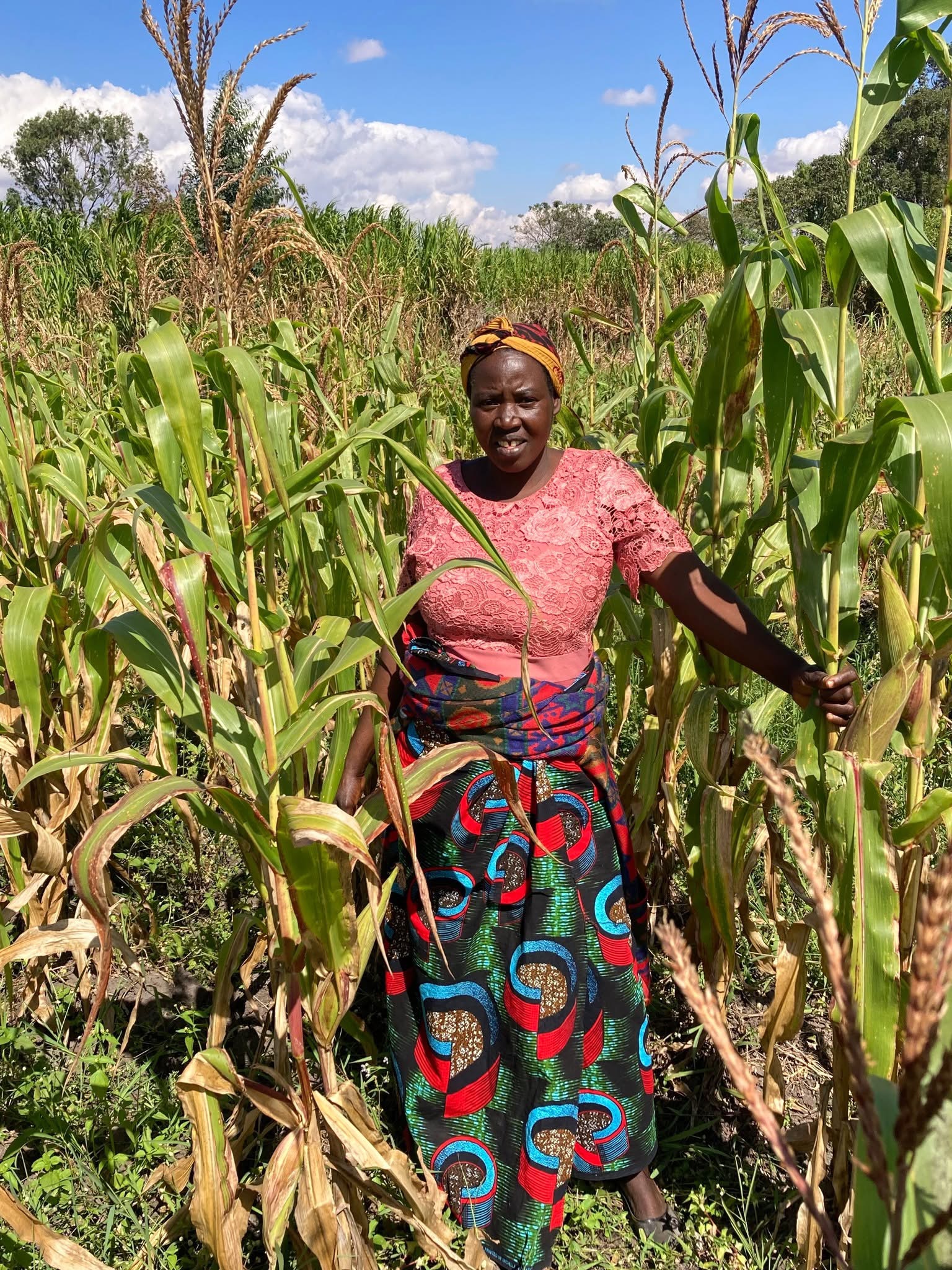
Meet Mercy, a resilient farmer from Mtengowathenga village and proud member of the Tiyamike Club. With a household of eight depending on her, Mercy embodies determination and hope.

Her journey wasn’t easy. Mercy first invested K100,000 in maize farming, but the crop failed, leaving her with nothing to harvest. Many would have given up—but not Mercy.

Instead, she turned to her VSLA savings, borrowing K150,000 to try again. This time, she planted 2kgs of maize and applied 40kgs of fertilizer, wisely using her family as labor and saving K50,000 in costs.

Her perseverance paid off. Mercy got bumper harvest of 4,000 cobs of maize. With each cob selling at K150, she earned an impressive K600,000 profit.

Mercy’s story is proof that resilience, innovation, and community support can turn failure into triumph. She is not just feeding her family—she is building a brighter future.

At Rhema Institute for Development, we celebrate farmers like Mercy who inspire us all to keep pushing forward, no matter the challenges.

#ResilientFarmers #VSLAImpact #WomenEmpowerment #RhemaForDevelopment #CommunityEmpowerment #AgricultureTransformation #MalawiFarmers #DowaDistrict
Growing Beyond Limits: Mr. Eliot’s Farming Empowerment

In 2024, Mr. Eliot received 10 kg of bean seeds through the Startup Seed Program from Rhema Institute for Development, an initiative aimed at empowering local farmers and strengthening economic sustainability in Dowa.

With dedication and hard work, Eliot achieved remarkable results in his very first season. From the initial 10 kg of seeds, he harvested 100 kg of beans, which he sold for K300,000.

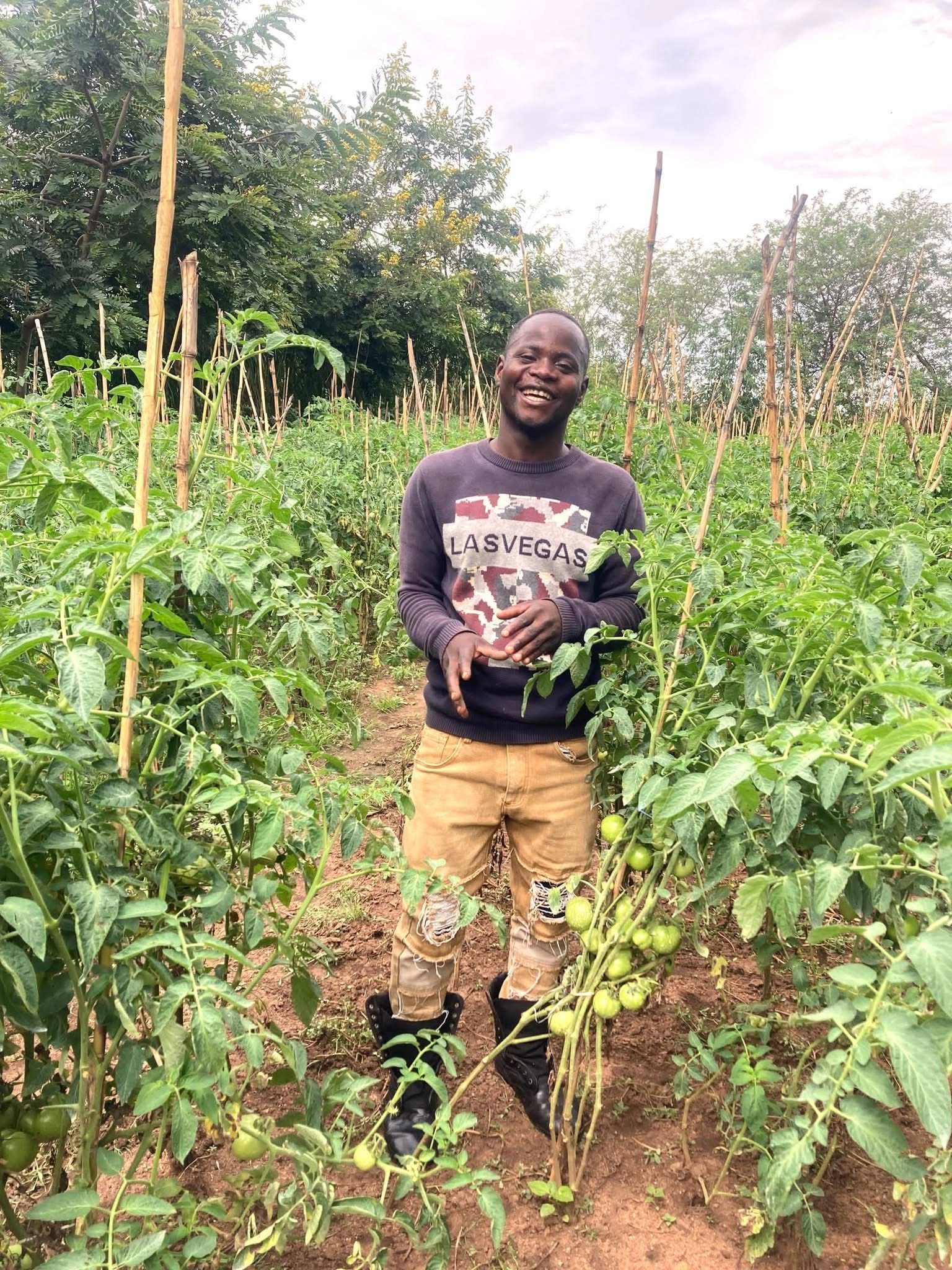
Encouraged by this success, Eliot expanded his farming activities by venturing into tomato farming during the winter season, where he expects to earn K600,000—double the income from his bean harvest—while continuing to grow legumes.

Beyond farming success, Mr. Eliot has significantly improved his family’s living standards and reinvested in his farm to ensure long-term sustainability and growth.

His journey is more than a personal achievement—it is a beacon of hope for his community.

Today, Mr. Eliot stands as a role model, inspiring fellow farmers to seize opportunities and transform their livelihoods through agriculture.

At Rhema Institute for Development, we celebrate stories like his—powerful reminders that empowerment, resilience, and opportunity can truly change lives.

#GrowingBeyondLimits #FarmingEmpowerment #CommunityImpact #AgricultureSuccess #RhemaInstitute #SustainableGrowth #InspirationInAction