



Rhema Institute for Development(RHID)

Loading

About us
Rhema Institute for Development (RHID) is a local non-profit organization that serves the poor,
Mission statement
We exist to reduce poverty and mitigate the impact of HIV/AIDS and provide care and
Vision
A healthy and morally upright community that is spiritually and socio-economically empowered,
Values
We serve the vulnerable and marginalized communities with love,
Integrity,
0Years Experience
About Our OrganizationAbout Our OrganizationAbout Our Organization

Serving the vulnerable & marginalised poor communities

Rhema Institute for Development (RHID) is a local non-profit organization that has the mandate to serve the poor, vulnerable and marginalized communities worldwide. Rhema is founded on the word of God that

  • Love
  • Excellence
  • Forgiveness
  • Commitment
  • Responsibility
Establishment of Rhema

Rhema was established in 2005 as a locally based Non Governmental Organization and its initial
project focused on the Youth in regard to HIV/AIDS prevention.

Rhema's Overview

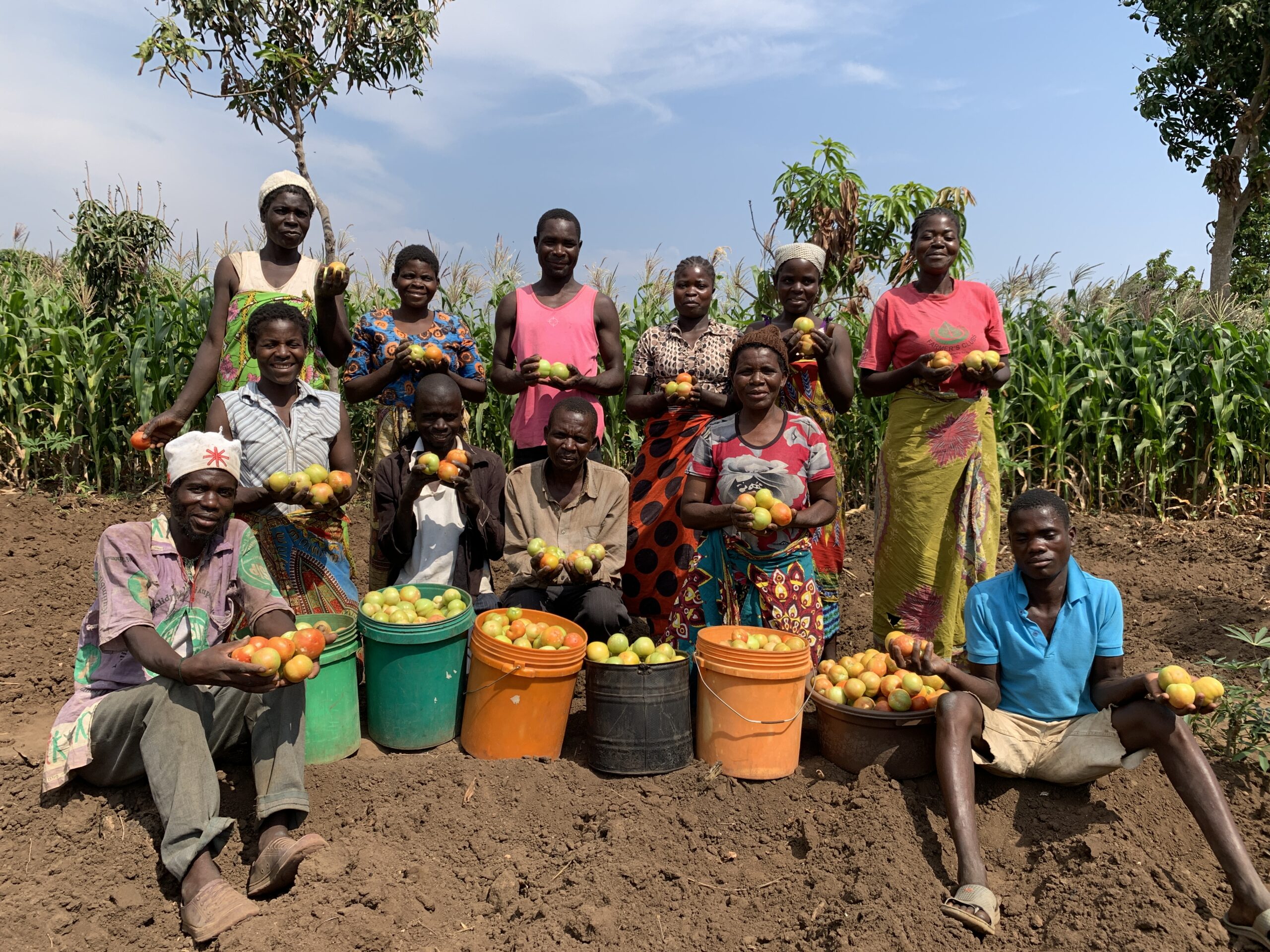
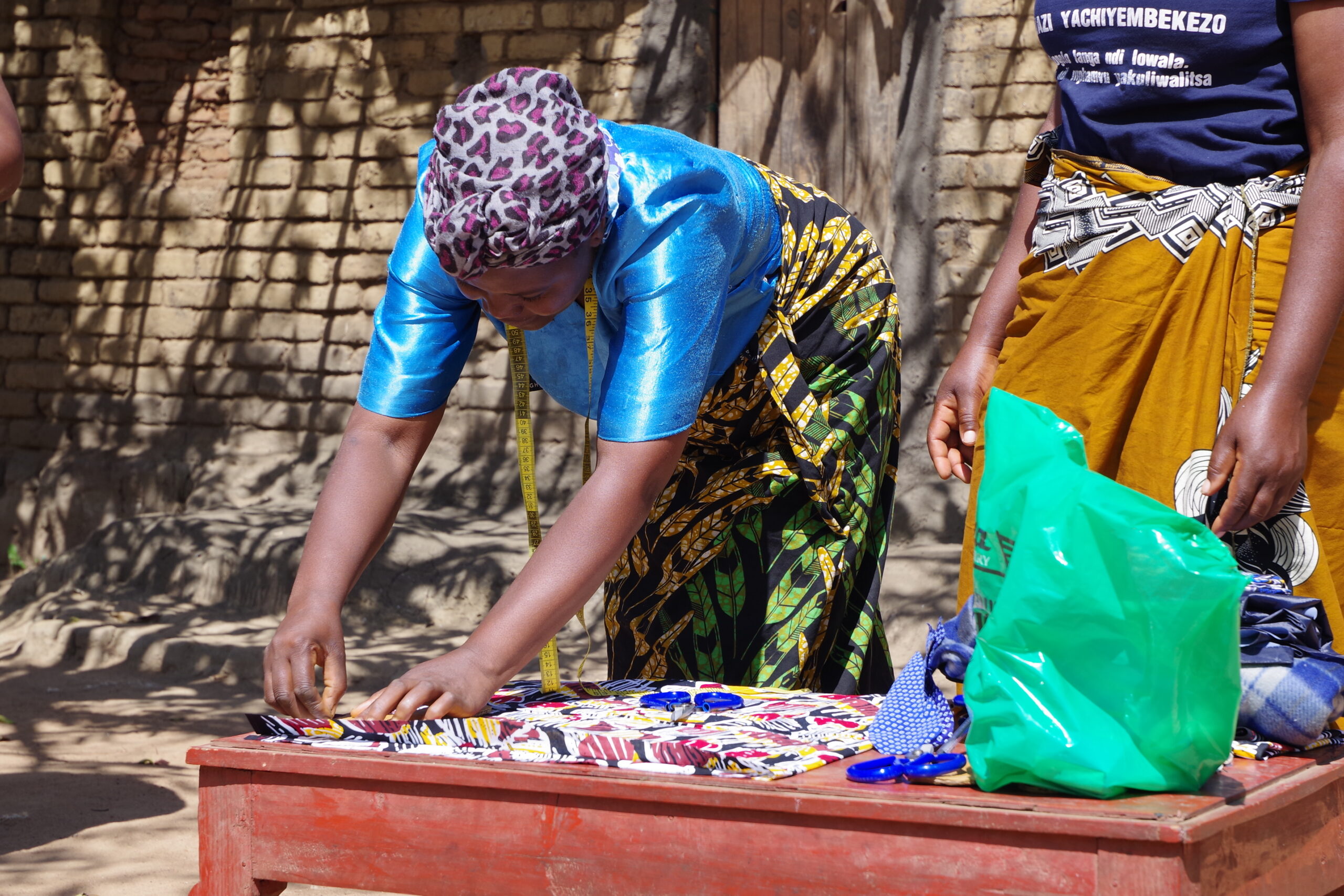
Rhema uses an integrated approach which has a wider and broader coverage of livelihood interventions
which include projects covering thematic areas of Microfinance (VSLAs

Rhema's Approach

Teamwork and community based participatory methodologies; Collaboration/networking; rural
communities’ empowerment and Integrated community development

What We’re OfferingWhat We’re OfferingWhat We’re Offering

Geographical Scope where Rhema has its presence: Services

Rhema is currently operating in the following two districts in Malawi and may possibly expand to another third district in Kasungu where it has developed a network of CBOs as its partners. (a) Lilongwe (b) Dowa

What’s HappeningWhat’s HappeningWhat’s Happening

Catch up with latests news and projects By Rhema

Rhema Institute of Development in news and details

A LEGACY OF DIALOGUE: HOW FORUM THEATRE IS UNLOCKING GENDER EQUALITY IN MALAWI
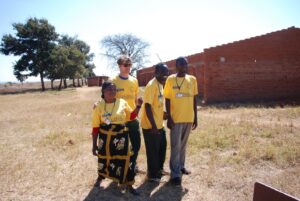
Two fast-moving and highly impactful months have drawing to a close, leaving behind a profound foundation for social transformation across local Village Savings and Loan Association (VSLA) communities. Building on the initial exploratory work conducted last year, Jon’s return visit to Malawi has yielded remarkable fruits, successfully turning a pilot concept into a vibrant, community-driven theatre project.

Implemented in close collaboration with the Rhema Institute for Development and Hope for a Child UK, this joint initiative has equipped rural communities with a deep, practical understanding of how Forum Theatre can be used to safely navigate, challenge, and dismantle deep-seated social norms surrounding gender inequality.

The true heart of this project’s sustainability beats within a newly formed, professionally equipped team of four local actors from the Lumbadzi area. Under Jon’s energetic and specialized guidance, this local troupe underwent intensive training to master the art of facilitating participatory workshops and leading constructive, intense community debates.

Far from a temporary, short-term intervention, this initiative has empowered the local actors to take full ownership of the project’s future. The troupe has already developed a robust three-month work plan stretching from August to October, which includes:

targeted community performances designed to spark dialogue. Focus areas aimed directly at dismantling harmful gender biases and Community-led advocacy to promote the socio-economic empowerment of women within VSLAs.

What sets this initiative apart is its practical approach to long-term sustainability and the spirit of community volunteerism. The actors are fully prepared to continue performing independently, intentionally scheduling their theatrical advocacy around their own business commitments and local agricultural calendars—ensuring that performances never overlap with critical sowing and harvesting seasons.

To support their dedication and ensure smooth regional mobility across villages, key structural incentives have been established:

Sustainability Enablers: The Rhema Institute and partners have equipped the troupe with bicycles for reliable transport and provided meals during active working days, keeping the team motivated and mobile.

Ultimately, this intervention has proven that when you equip people with the right participatory tools, true change comes from within. Forum Theatre provides a safe, transformative space for marginalized community members to step onto the stage, dissect their lived realities, and collectively identify real-world solutions to their own challenges.

By mastering this “game of dialogue”—a unique practice combining structured social rules with creative freedom—these four local actors have gained invaluable, transferable facilitation skills. They are now uniquely positioned to address not just gender dynamics, but any emerging social issue their communities face in the future, proving that the grassroots stage is one of our most powerful tools for lasting social justice.
Breaking Barriers Through the Stage: How Forum Theatre is Transforming Gender Roles in Dowa

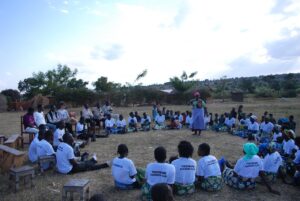
In the heart of Group Village Headman (GVH) Chikuse, nestled within Mononga Village, a lively circle of community members leans in closely. At the center of this circle stands Agness Kalata. Her voice is clear, her gestures are animated, and her mission is profound.

Agness is leading a powerful transformation. She is part of a specialized, four-member local touring theatre group—alongside Martha Ndizo, Jackson Kamakantha, and Limbikani Chiusiwa—trained intensively in Theatre for Development (TfD) and Forum Theatre.

This impactful initiative is brought to life by Rhema Institute for Development, in a proud and vital partnership with Hope for a Child UK. Together, we are using the power of participatory performance to challenge deep-rooted gender inequities, promote women’s empowerment, and spark real, community-led solutions.

Traditional theatre asks the audience to sit back and watch. Forum Theatre demands that they step in and change the narrative.

As Agness stands before the members of the Tidziwane and Kaliba Village Savings and Loan Associations (VSLAs), she carefully explains the rules of this participatory approach. The actors first perform a short, four-minute scenario depicting a harsh, oppressive reality that many women in Traditional Authority Mkukula face daily.

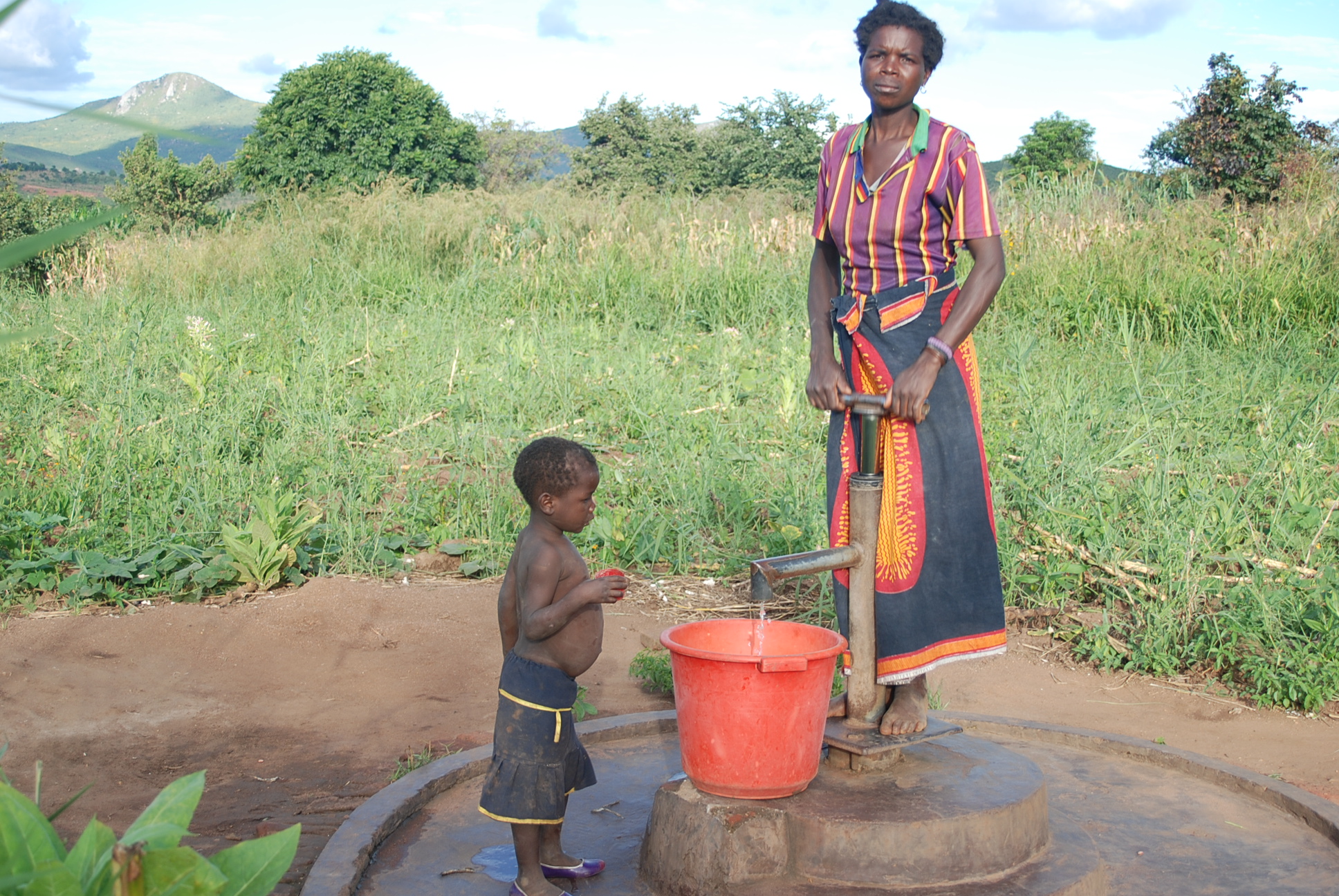
On this particular day, the troupe tackled two heavy realities: water scarcity and domestic financial control.

“The goal isn’t just to show a sad story,” Agness explains to the crowd. “The goal is to change it. But the solution cannot be magical—it must be real, practical, and driven by you.”

During the first run of the performance, a scene unfolds where a husband strictly forbids his wife from attending vital VSLA meetings, cutting her off from financial independence and community support.

In a standard play, the curtain would fall on this injustice. But under the Rhema Institute and Hope for a Child UK model, the second run of the performance changes everything. The audience is invited to shout “Stop!”, step into the acting circle, replace the oppressed character, and act out a realistic solution.

The impact was immediate and visual:

Shifting Mindsets: A local man wearing a white t-shirt, visibly moved by the scenario, stepped directly into the circle.

Rewriting the Story: He took the place of the submissive wife to confront the stubborn husband, demonstrating how couples can constructively negotiate time, share household burdens, and recognize the immense value VSLAs bring to the entire family.

A Community United: The surrounding crowd erupted into a passionate debate, dissecting the unfair gender perceptions that hold women back in the Dowa district.

Village Savings and Loan Associations (VSLAs) are incredible tools for economic empowerment, but financial tools alone cannot dismantle centuries of gender bias. By bringing Forum Theatre directly to the Kaliba and Tidziwane VSLA communities, Rhema Institute for Development and Hope for a Child UK are tackling the root causes of inequality.

When men participate in these theatrical debates, they don’t just hear about gender equality—they literally step into a woman’s shoes. It bridges the gap between economic opportunity and social justice.

Through the generous support and partnership of Hope for a Child UK, teams like Agness’s are traversing Traditional Authority Mkukula, ensuring that development is not something done for the community, but by the community.

We are moving away from “magical” endings and working toward a real, sustainable future where every woman in Dowa is empowered to speak, save, lead, and thrive.

FROM A FRACTION OF AN ACRE TO A FLOURISHING FUTURE: HOW WETLAND FARMING IS ROOTING OUT POVERTY IN DOWA

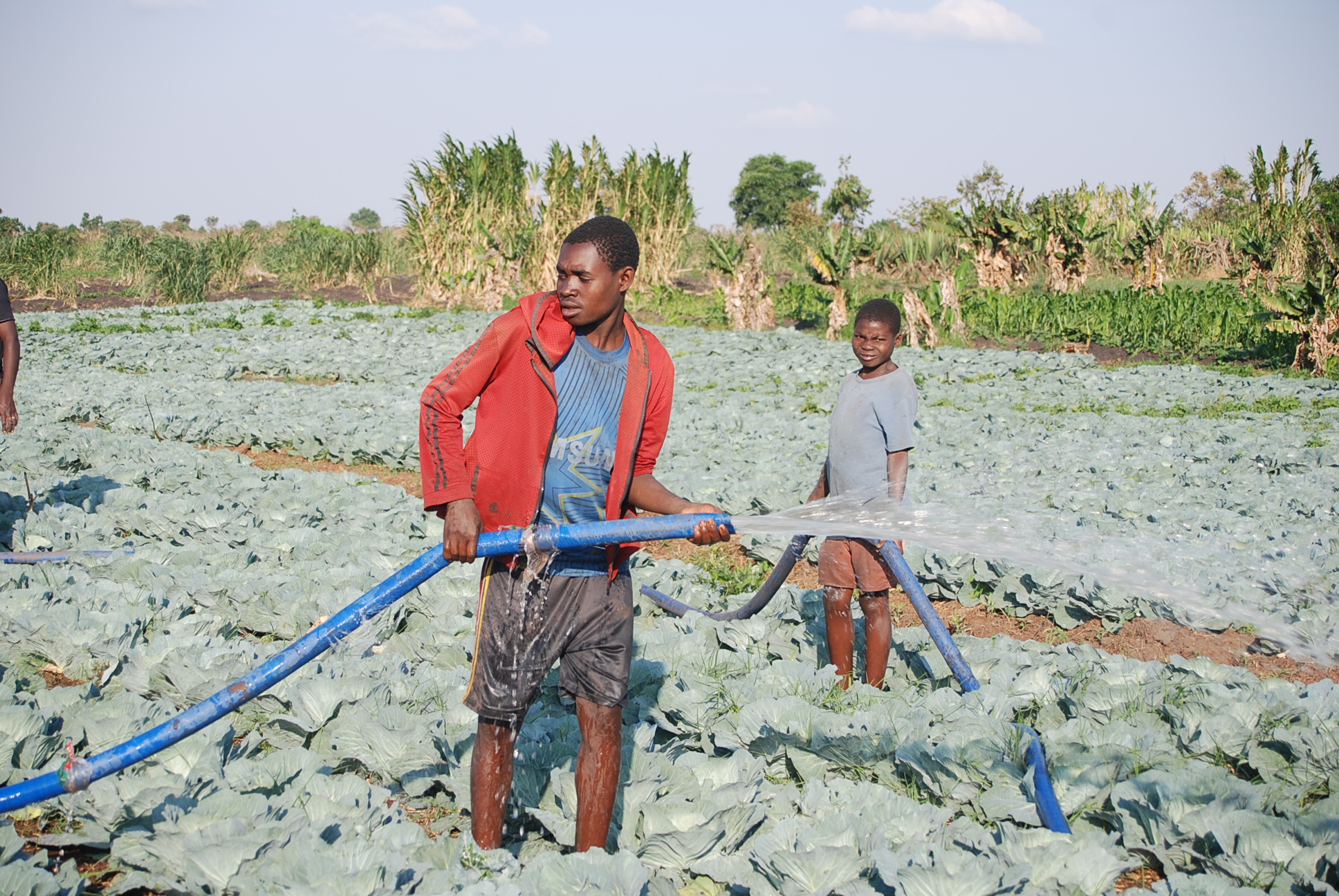
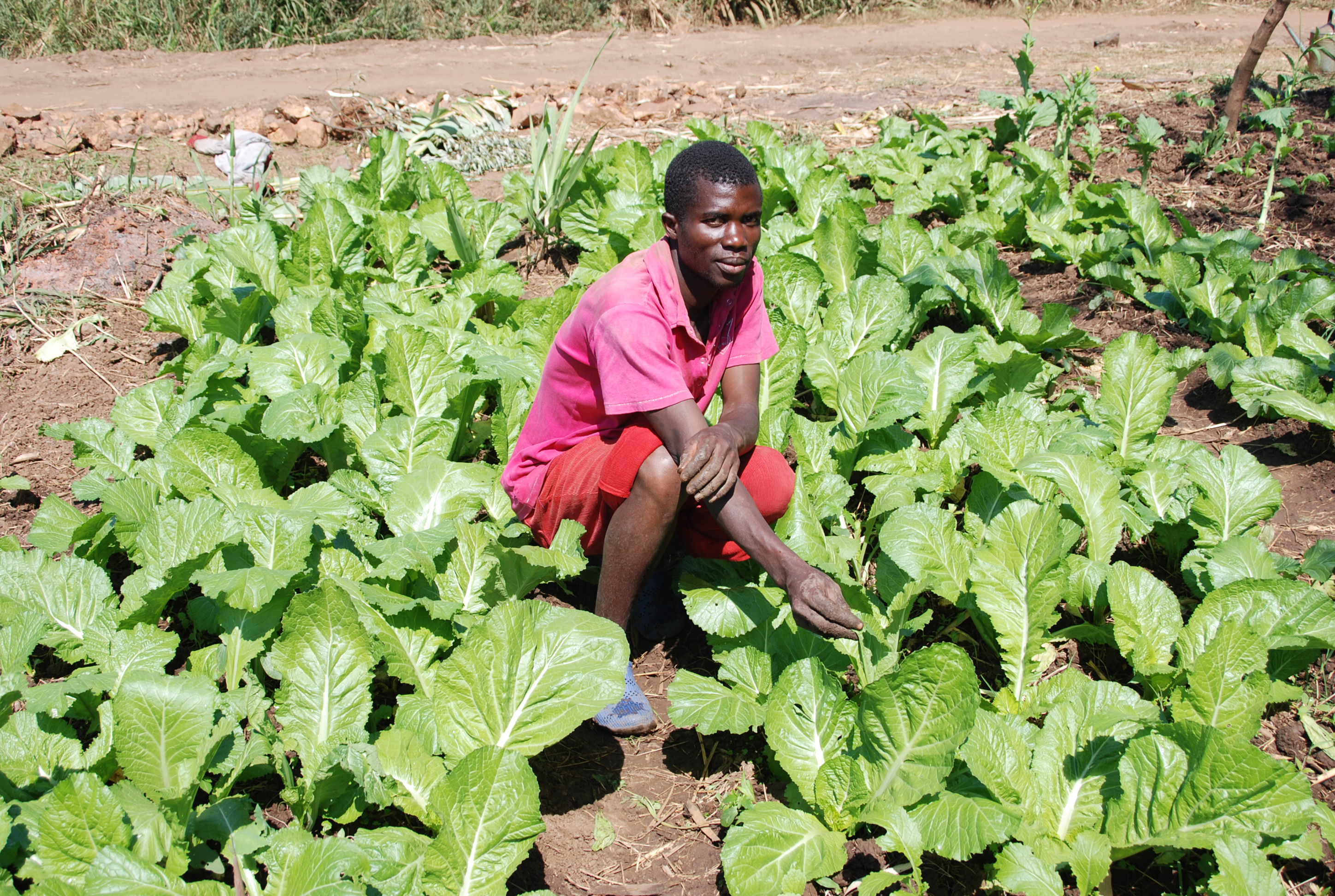
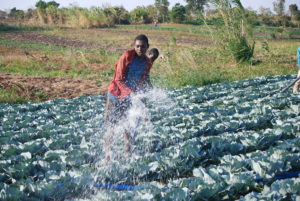
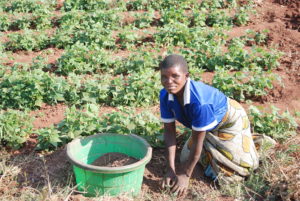
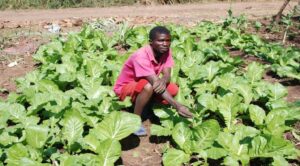
True community transformation often begins on a small scale, rooted in the determination of a single individual. For Patison Chiyenda, a dedicated member of the Madalitso Village Savings and Loan Association (VSLA) from Traditional Authority Mkukula in Dowa, that transformation began with a modest piece of wetland and a profound shift in mindset. Today, Patison has emerged as a premier supplier of fresh produce across Group Village Head Kaputalambwe, demonstrating the deep impact of sustainable agricultural practices introduced to the region by the Rhema Institute for Development, in a proud partnership with Hope for a Child UK.

Before engaging with the Rhema Institute, Patison’s small patch of dambo land was severely underutilized, yielding little to no economic value for his family. Driven by a desire to boost his household income and increase his weekly savings contributions to his VSLA group, he eagerly participated in community capacity-building sessions.

There, he adopted modern wetland utilization and management practices designed by Rhema’s field teams to promote eco-friendly, year-round farming. Putting theory into action, Patison invested in his vision with precision, purchasing a single packet of mustard seeds, half a kilogram of fertilizer, and a packet of cypermethrin pesticide from local agro-dealers, bringing his total initial input investment to a modest MK1,800.00.

The return on Patison’s investment has been nothing short of remarkable. By carefully managing his resources and tending to his mustard garden according to the climate-smart techniques he learned, he successfully turned that small investment into a stunning MK9,850.00 in total sales. He achieved this milestone by selling fresh, high-quality vegetable bundles directly to his neighbors for just MK50 each. Beyond the immediate financial stability this has brought to his own household, Patison’s entrepreneurial spirit has uplifted Sadalaki Village. He has become a vital asset to his community, providing a reliable, affordable, and close-to-home source of rich nutrition for his fellow community members

“I used to look at my small piece of dambo land and see very little value in it,” Patison reflected. “But the training from Rhema opened my eyes to see that wealth wasn’t missing from my land—it was missing from how I was using it. Turning MK1,800 into nearly MK10,000 didn’t just change my wallet; it changed how I look at my future.”

Now preparing for his second round of planting, Patison is actively scaling up his production capacity and confidently anticipates an even higher yield in the coming season. Reflecting on his journey, he attributes his breakthrough directly to the practical, hands-on training provided by the Rhema Institute for Development and Hope for a Child UK, noting that the program unlocked capabilities he never knew he possessed.

He shared that he finally understands the deeper meaning behind the message proudly printed on the Rhema staff uniforms: “Poverty is one’s mindset.” Through simple tools, technical empowerment, and hard work, Patison has proven that shifting that mindset is not just an abstract idea, but the very first step toward sustainable independence and community-wide prosperity.